June 12, 2017 – June 18, 2017
News
A U.S. drone strike in Yemen reportedly killed two individuals suspected of being members of al-Qaeda. The strike targeted a vehicle in Shabwa province, one of several strongholds of al-Qaeda in the Arabian Peninsula. (Reuters)
The European Union released draft regulations for consumer and commercial drones. The blueprint was assembled by the Single European Sky Air traffic management Research Joint Undertaking, a body set up by the European Commission to study low-altitude drone operations. The EU plans to implement drone regulations by 2019. (Press Release)
Commentary, Analysis, and Art
A report by the Center for a New American Security explores possible policies designed to manage military drone proliferation.
A report by the Columbia Law School’s Human Rights Clinic and the Sana’a Center for Strategic Studies evaluates the U.S. government’s transparency on drone strikes between 2002 and 2017.
At Fast Company, Steven Melendez considers how the next generation of military drones and autonomous systems could change warfare.
At the National Interest, David Axe writes that the U.S. Air Force is planning to invest more in disposable strike drones than large complex systems.
Also at the National Interest, Dan Goure looks at how U.S. companies are focusing on ending the threat posed by rogue drone use.
At the Washington Post, Thomas Gibbons-Neff writes that U.S. officials are concerned about the ability of ISIS drones to disrupt U.S. operations.
At Lawfare, Rebecca Crootof and Frauke Renz argue that the conversation surrounding lethal autonomous weapons should seek alternative regulatory strategies beyond an outright ban.
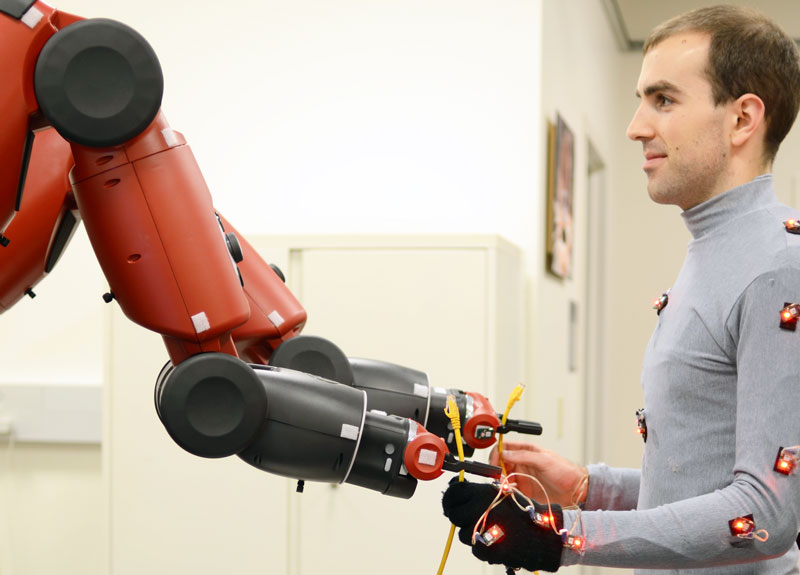
At TechCrunch, Brian Heater looks at how RE2 Robotics is making robot control mechanisms more intuitive.
At Inc.com, Will Yakowicz writes that Saildrone, a California-based startup, aims to deploy more unmanned sailboats to measure climate change than all of the satellites in space.
A study by the Karolinska Institute in Stockholm found that defibrillator-carrying drones could cut response times for cardiac arrests by 16 minutes. (The Guardian)
An essay at the Economist explores how consumer drones are being put to work for commercial applications.
At iRevolutions.org, Patrick Meier looks at how flying robots could be used to combat the spread of Zika.
At the University of Toronto, students and faculty discuss the opportunities presented by the development of advanced autonomy for consumer drones.
At KSHB, Belinda Post writes that drones are a popular father’s day gift this year.
At AIN Online, Vladimir Karnozov considers the history of Iranian-Russian collaboration on the development of new drones.
Know Your Drone
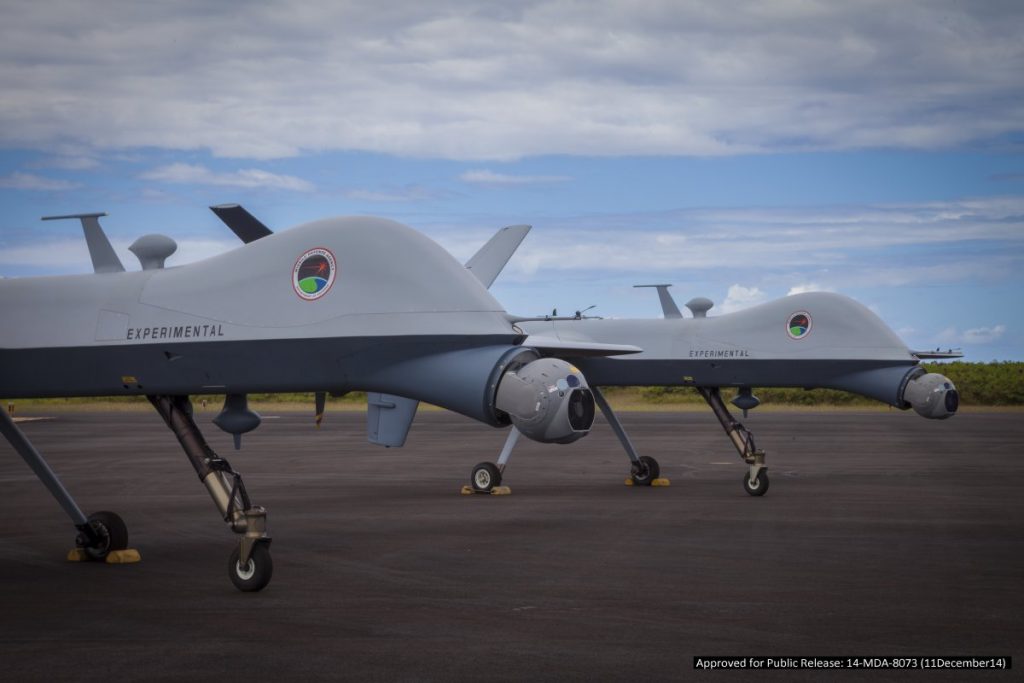
The U.S. Missile Defense Agency is looking to acquire a high-altitude long-endurance drone that can carry a high-energy laser to intercept intercontinental ballistic missiles. (IHS Jane’s 360)
Drone maker RaptorUAS has unveiled the Raptor EV, a vertical takeoff and landing fixed-wing drone. (Unmanned Systems Technology)
U.S. drone maker Kratos is unveiling its two new low-cost combat drones, the XQ-222 Valkyrie and the UTAP-22 Mako. (New Atlas)
The U.S. Air Force is conducting a study to estimate the service life of its MQ-9 Reaper drones. (Defense Daily)
Airbus Defence and Space will conduct test flights of its Zephyr high-altitude long-endurance drone in Australia next year. (Shephard Media)
U.K. firm Horizon Technologies is looking to mount a satellite phone monitoring sensor on small drones. (IHS Jane’s 360)
Researchers at Nvidia are developing drone navigation systems that rely on computer vision rather than GPS signals. (The Drive)
Amazon has been awarded two patents for its delivery drone system: one for foldable rotor arms and the other for a winch system to lower packages from the drone to the ground. (GeekWire)
Drones at Work
South Korean officials said that a North Korean drone that crashed in the country had taken 10 photographs of a sensitive U.S. missile defense site. (The Washington Post)
A search and rescue team in Colorado used a newly acquired drone to search for a group of missing hikers. (CBS4)
General Electric has begun a program to test drones and unmanned ground vehicles to inspect industrial facilities and infrastructure. (Reuters)
The Croatian Defense Ministry is planning to acquire drones and set up an unmanned aircraft squadron. (Defense News)
Drone Delivery Canada conducted the first beyond visual line of sight delivery test flights in Canada, flying a drone in Alberta from a control center 2,500 kilometers away in Toronto. (AUVSI)
Documents released by the U.S. Department of Justice show that there have been more than a dozen attempts to smuggle contraband into federal prisons using drones in the past five years. (USA Today)
Firefighters in London used a drone to assist in the response to the Grenfell Tower fire. (Newsweek)
The Federal Aviation Administration is investigating reports of illegal drone operations in Charlotte, North Carolina. (Charlotte Observer)
The California National Guard has relocated its fleet of MQ-9 Reaper drones from Victorville to the March Air Reserve Base. (Aviation Week)
Security officials used a Dedrone counter-drone system at the Golden State Warriors’ basketball team’s championship parade in Oakland, California. (Recode)
Massachusetts police used drones for security during the Sail Boston boating event. (Boston Globe)
The Middlesex County prosecutor’s office in New Jersey bought a drone for criminal investigations. (TAP into Piscataway)
The Israeli air force is developing a 15-year roadmap for its fleet of unmanned aircraft. (FlightGlobal)
Police are searching for a drone operator who flew a drone close to air tankers and helicopters assisting in the response to a California brush fire. (10News)
The U.S. Navy picked the USS Dwight D. Eisenhower and USS George H.W. Bush as the first two aircraft carriers to deploy the MQ-25 Stingray unmanned refueler drone. (USNI News)
Industry Intel
The U.S. Navy awarded Boeing Insitu an $8 million contract for one RQ-21A Blackjack unmanned aircraft system for the Marine Corps. (DoD)
The Defense Advanced Research Projects Agency awarded Raytheon a $5.2 million contract for the Aerial Dragnet program.
The Defense Advanced Research Projects Agency awarded Embry-Riddle and Creare a $1 million grant to develop an autonomous flight control system for drones. (Press Release)
The Drone Racing League raised $20 million in grants from Allianz and Sky. (The Telegraph)
Kraken is partnering with Atlas Elektronik to develop a system for the Royal Canadian Navy’s Remote Mine Disposal System requirement. (IHS Jane’s 360)
Laura Ponto, an executive at Alphabet’s Project Wing, is the new chairman of the Commercial Drone Alliance, an industry advocacy organization. (Recode)
Israel’s Aeronautics, a drone manufacturer, has made an initial public offering on the Tel Aviv Stock Exchange. (IHS Jane’s 360)
For updates, news, and commentary, follow us on Twitter. The Weekly Drone Roundup is a newsletter from the Center for the Study of the Drone. It covers news, commentary, analysis and technology from the drone world. You can subscribe to the Roundup here.




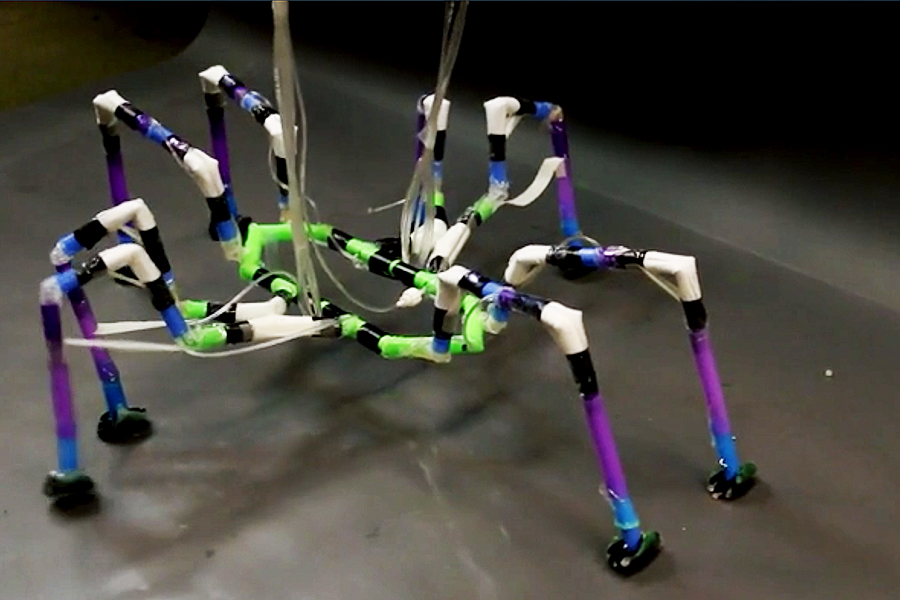





 I enjoyed talking at the Visual Localization session (another packed out session with standing room only) on our paper, “
 The social functions were good and the conference hotel was incredible, especially the infinity pool at the top of the hotel, 57 floors up, looking over the Marina. The night safari was fun too.
 Overall, a great week and always great to reconnect with hundreds of colleagues and collaborators from around the world. See you next year in Brisbane!
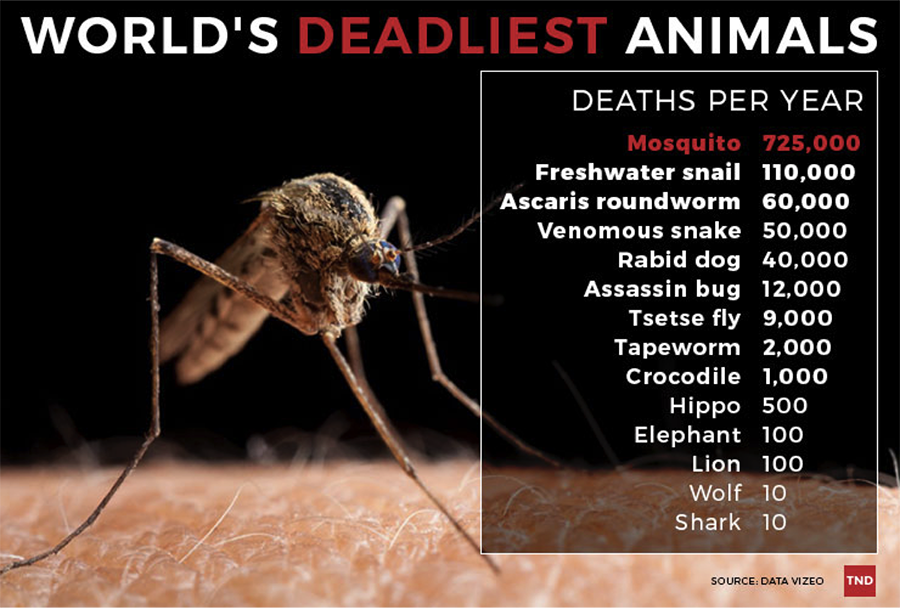 Mosquitos kill more humans every year than any other animal on the planet and conventional methods to reduce mosquito-borne illnesses haven’t worked as well as many hoped. So we’ve been hard at work since receiving this USAID grant six months ago to reduce Zika incidence and related threats to public health.
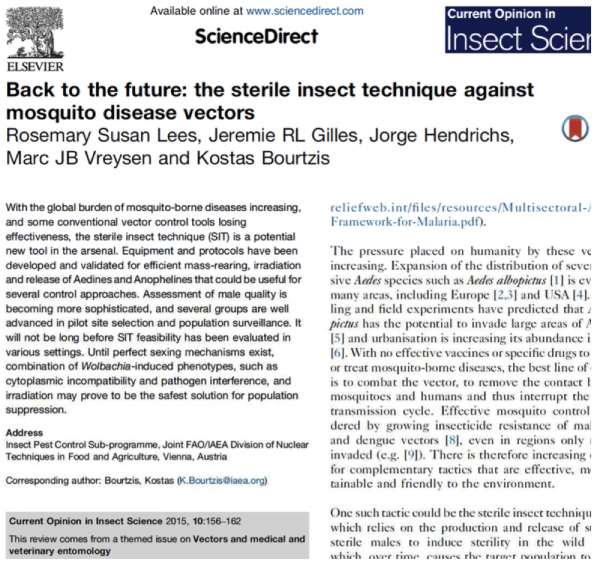
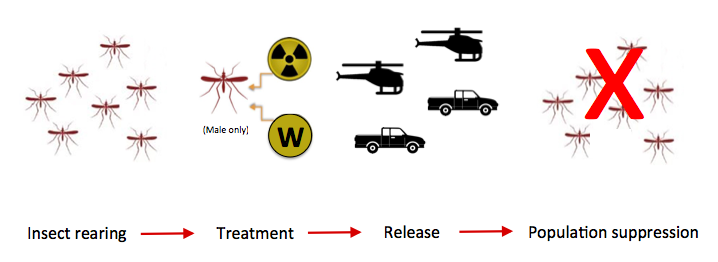 Our approach seeks to complement and extend (not replace) these existing delivery methods. The challenge with manned aircraft is that they are expensive to operate and maintain. They may also not be able to target areas with great accuracy given the altitudes they have to fly at.
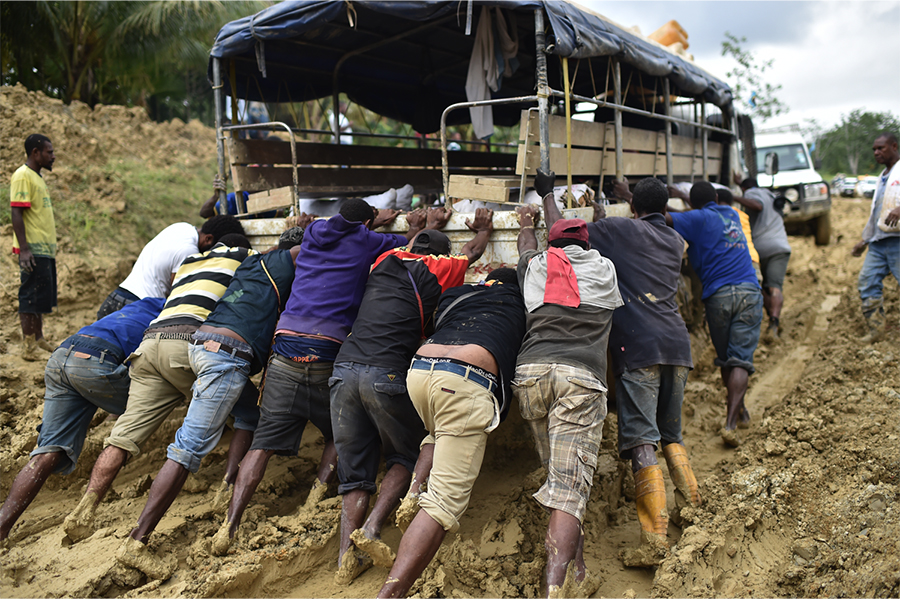 Cars are less expensive, but they rely on ground infrastructure. This can be a challenge in some corners of the world when roads become unusable due to rainy seasons or natural disasters. What’s more, not everyone lives on or even close to a road.
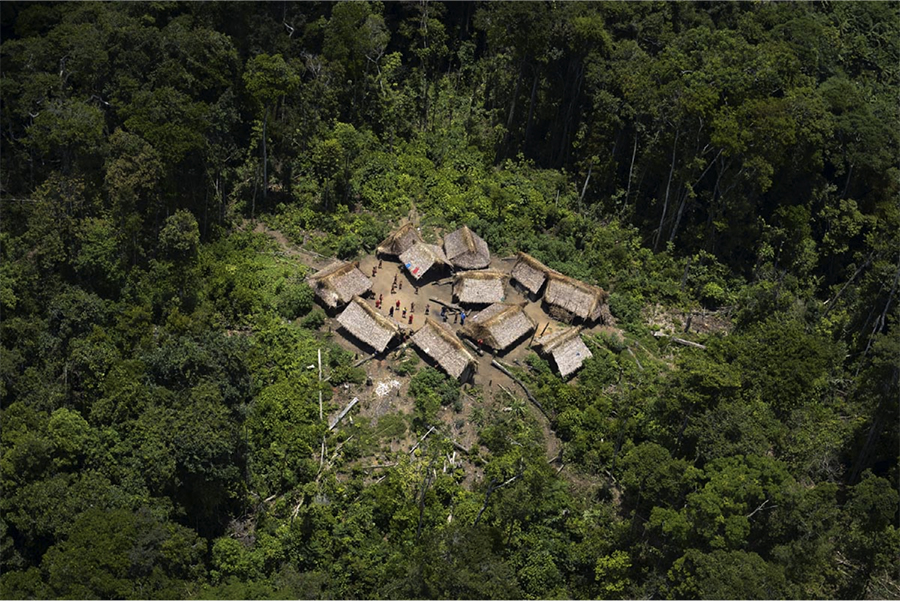 Our IAEA colleagues thus envision establishing small mosquito breeding labs in strategic regions in order to release sterilized male mosquitos and reduce the overall mosquito population in select hotspots. The idea would be to use both ground and aerial release methods with cars and flying robots.
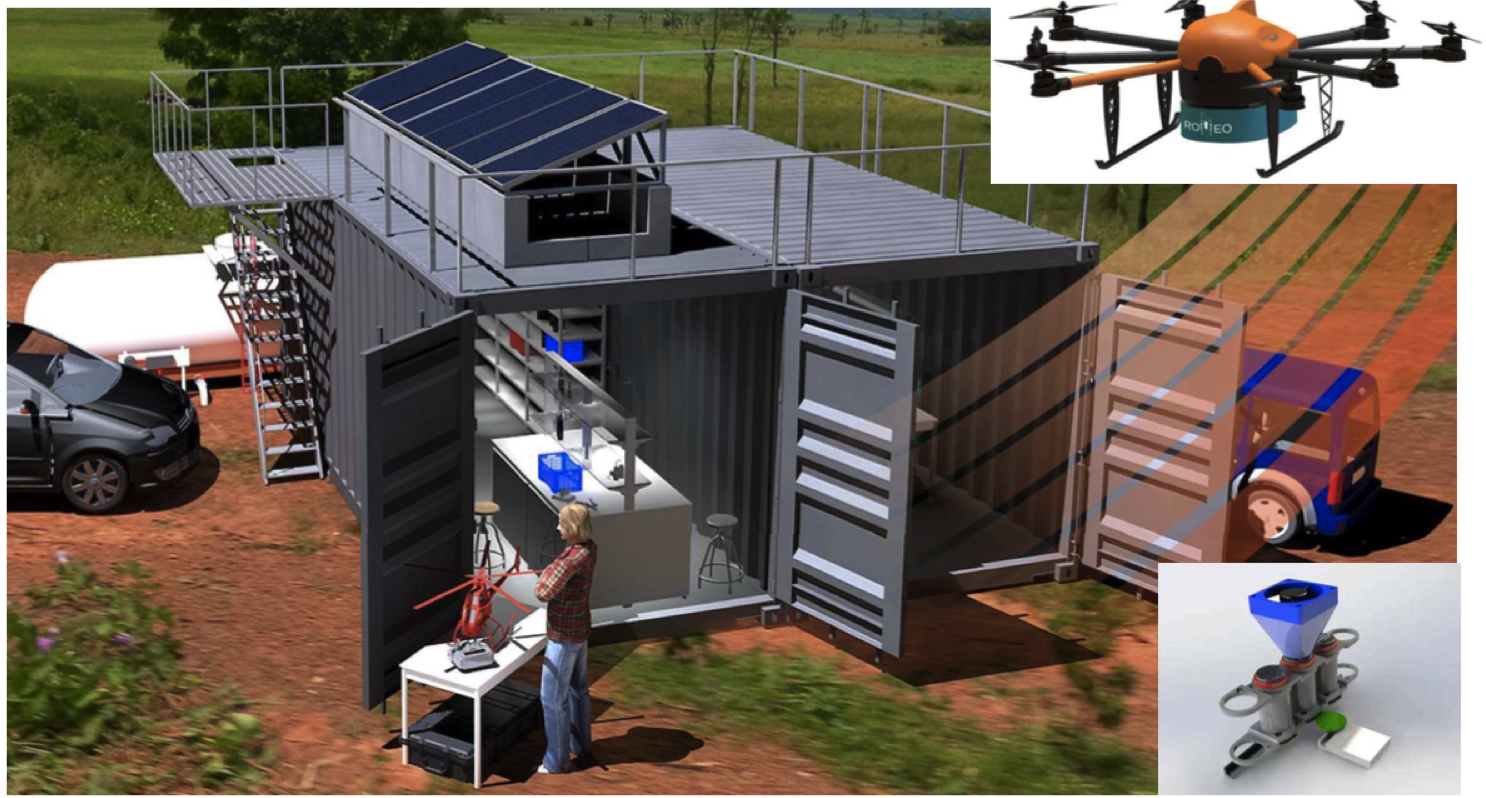 The real technical challenge here, besides breeding millions of sterilized mosquitos, is actually not the flying robot (drone/UAV) but rather the engineering that needs to go into developing a release mechanism that attaches to the flying robot. In fact, we’re more interested in developing a release mechanism that will work with any number of flying robots, rather than having a mechanism work with one and only one drone/UAV. Aerial robotics is evolving quickly and it is inevitable that drones/UAVs available in 6-12 months will have greater range and payload capacity than today. So we don’t want to lock our release mechanism into a platform that may be obsolete by the end of the year. So for now we’re just using a DJI Matrice M600 Pro so we can focus on engineering the release mechanism.
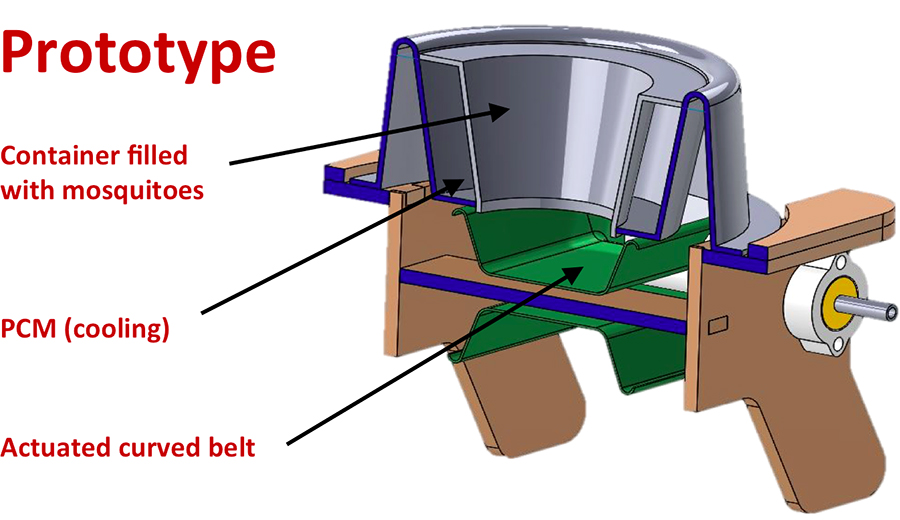 Developing this release mechanism is anything but trivial. Ironically, mosquitos are particularly fragile. So if they get damaged while being released, game over. What’s more, in order to pack one million mosquitos (about 2.5kg in weight) into a particularly confined space, they need to be chilled or else they’ll get into a brawl and damage each other, i.e., game over. (Recall the last time you were stuck in the middle seat in Economy class on a transcontinental flight). This means that the release mechanism has to include a reliable cooling system. But wait, there’s more. We also need to control the rate of release, i.e., to control how many thousands mosquitos are released per unit of space and time in order to drop said mosquitos in a targeted and homogenous manner. Adding to the challenge is the fact that mosquitos need time to unfreeze during free fall so they can fly away and do their thing, i.e., before they hit the ground or else, game over.
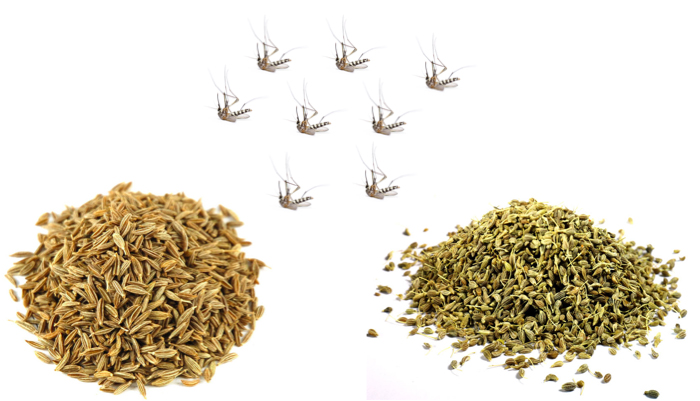 We’ve already started testing our early prototype using “mosquito substitutes” like cumin and anise as the latter came recommended by mosquito experts. Next month, we’ll be at the FAO/IAEA Pest Control Lab in Vienna to test the release mechanism indoors using dead and live mosquitos. We’ll then have 3 months to develop a second version of the prototype before heading to Latin America to field test the release mechanism with our Peru Flying Labs. One of these tests will involve the the integration of the flying robot and the release mechanism in terms of both hardware and software. In other words, we’ll be testing the integrated system over different types of terrain and weather conditions in Peru specifically.
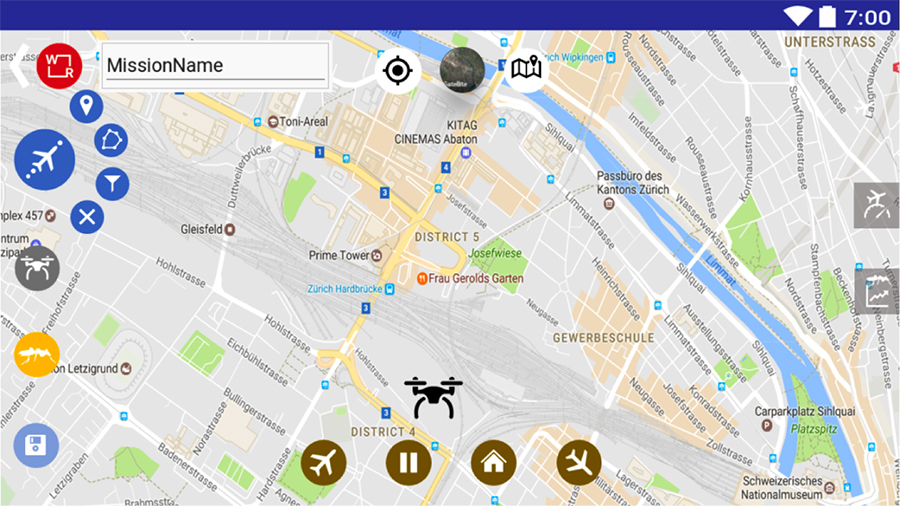
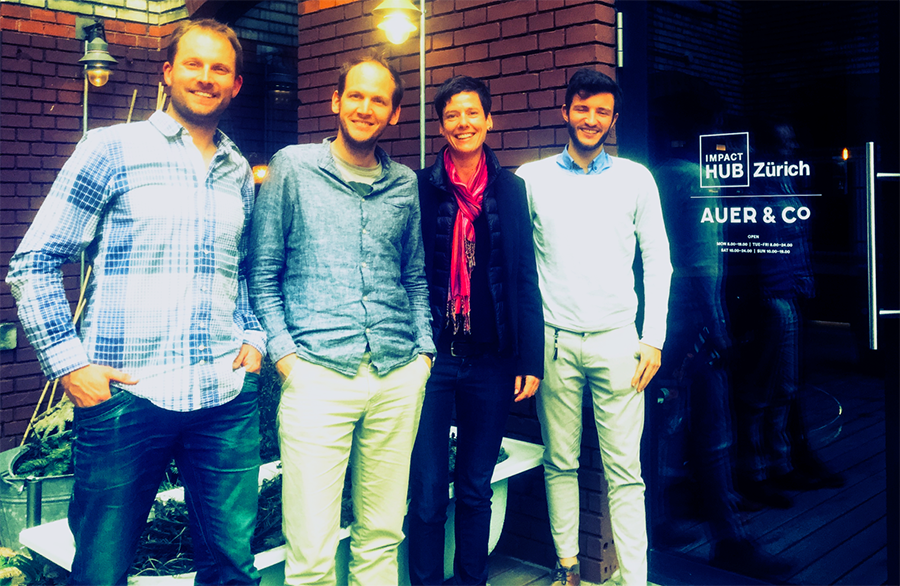
 For now, though, our WeRobotics Engineering Team (below) is busy developing the prototype out of our Zurich office. So if you happen to be passing through, definitely let us know, we’d love to show you the latest and give you a demo. We’ll also be reaching out the Technical University of Peru who are members of our Peru Flying Labs to engage with their engineers as we get closer to the field tests in country.
 As an aside, our USAID colleagues recently encouraged us to consider an entirely separate, follow up project totally independently of IAEA whereby we’d be giving rides to Wolbachia treated mosquitos. Wolbachia is the name of bacteria that is used to infect male mosquitos so they can’t reproduce. IAEA does not focus on Wolbachia at all, but other USAID grantees do. Point being, the release mechanism could have multiple applications. For example, instead of releasing mosquitos, the mechanism could scatter seeds. Sound far-fetched?