Archive 23.06.2026

Page 3 of 9
1 2 3 4 5 9

The Future of Manufacturing: How AI Is Driving Efficiency and Innovation?

The Future of Manufacturing: How AI Is Driving Efficiency and Innovation?

Manufacturing is entering a new phase of digital transformation where Artificial Intelligence (AI) is becoming part of everyday operations. Global manufacturers are facing increasing pressure to improve productivity, reduce costs, manage supply chain disruptions, and maintain high product quality. Traditional approaches alone are no longer enough to keep pace with changing market demands.

According to Deloitte’s Smart Manufacturing Survey, manufacturers continue to increase investments in AI and smart factory technologies to improve predictive maintenance, product quality, and supply chain resilience.

AI is helping manufacturers address these challenges by turning operational data into actionable insights. AI solutions for manufacturing support predictive maintenance, quality inspection, intelligent document processing, and supply chain optimization across the manufacturing ecosystem.

Why Is AI Important in Manufacturing?

Organizations looking to accelerate digital transformation are increasingly investing in AI-powered manufacturing solutions that improve visibility across operations and support data-driven decision-making.

Modern manufacturing environments generate large volumes of data from machines, sensors, enterprise applications, maintenance records, supplier networks, and operational documents. Much of this information remains underutilized because it exists across disconnected systems.

AI helps organizations connect these data sources, identify patterns, and support faster decision-making. As a result, manufacturers can reduce downtime, improve resource utilization, and respond more effectively to operational changes.

Organizations that invest in AI are also building more resilient operations that can adapt to market fluctuations and customer expectations.

What Are the Benefits of AI in Manufacturing?

AI helps manufacturers improve productivity, reduce downtime, optimize supply chains, and automate business processes while enabling faster, data-driven decision-making.

Industry adoption continues to accelerate. According to Deloitte’s 2025 Smart Manufacturing Survey, manufacturers reported up to 20% improvement in production output, 20% improvement in employee productivity, and 15% unlocked operational capacity through smart manufacturing initiatives.

The same study found that 80% of manufacturing executives plan to invest at least 20% of their improvement budgets in smart manufacturing technologies over the next few years.

Manufacturers are using AI to:

  • Reduce equipment downtime
  • Improve product quality
  • Optimize inventory management
  • Strengthen supply chain visibility
  • Increase workforce productivity
  • Automate document-intensive processes
  • Lower operational costs
  • Support data-driven decisions

As AI adoption grows, manufacturers are moving beyond isolated pilot projects and integrating intelligent technologies across production, maintenance, supply chain, and enterprise operations. Organizations that build strong data and automation foundations today will be better positioned to compete in the future of smart manufacturing.

Top AI Use Cases in Manufacturing

1.     Predictive Maintenance

Manufacturers adopting AI use cases for predictive maintenance and equipment management can reduce unplanned downtime and improve asset reliability.

Unexpected equipment failures can disrupt production schedules and increase operational costs. AI models analyze machine performance data to detect early signs of wear and identify potential failures before they occur.

This allows maintenance teams to schedule repairs proactively, reduce unplanned downtime, and extend the life of critical assets.

2.     Intelligent Quality Control

Advanced computer vision solutions for manufacturing help organizations automate defect detection and strengthen quality assurance processes.

Manual quality inspections can be time-consuming and inconsistent, particularly in high-volume production environments.

AI-powered computer vision systems can analyze products in real time, identify defects, and maintain quality standards across production lines. Faster defect detection helps reduce waste and minimize costly rework.

3.     Supply Chain Optimization

Supply chain disruptions continue to challenge manufacturers across industries. AI-powered supply chain management can analyze demand patterns, supplier performance, inventory levels, and logistics data to support more accurate forecasting.

Better visibility across the supply chain helps organizations improve inventory management, reduce delays, and maintain business continuity. Many manufacturers are also adopting AI-powered supply chain solutions to improve forecasting and operational coordination.

4.     Production Planning and Workforce Management

AI can evaluate multiple production variables simultaneously, including workforce availability, machine capacity, inventory levels, and customer demand.

This enables manufacturers to optimize production schedules, improve workforce allocation, and reduce operational bottlenecks.

5.     Inventory and Facility Management

Manufacturers often struggle with excess inventory, stock shortages, and facility management challenges. AI can help organizations optimize inventory levels, monitor asset utilization, and improve operational planning across manufacturing facilities.

How Does AI Improve Manufacturing Documentation?

Operational efficiency depends on accurate and accessible information. Manufacturing organizations manage thousands of documents, including work orders, maintenance logs, inspection reports, compliance records, engineering drawings, supplier contracts, invoices, and standard operating procedures.

Managing these documents manually can slow down workflows and create information gaps.

At USM, we help manufacturers modernize document-intensive operations through AI-powered automation capabilities that include:

  • Intelligent document processing
  • Automated data extraction
  • AI-assisted document classification
  • Enterprise search and knowledge retrieval
  • Workflow automation for operational documentation
  • Integration with existing ERP and enterprise platforms

By reducing manual effort and improving access to information, organizations can accelerate decision-making and improve operational consistency.

How USM Supports AI-Driven Manufacturing?

USM works with manufacturing organizations to transform data-intensive and document-heavy business processes through practical AI solutions. Our expertise spans AI in Manufacturing, intelligent automation, predictive analytics, and connected factory initiatives.

Our manufacturing AI capabilities support use cases such as:

  • Predictive equipment maintenance
  • Intelligent supply chain management
  • AI-powered inventory optimization
  • Workforce management automation
  • Facility management solutions
  • Customer and operational analytics
  • Enterprise knowledge management
  • Agentic AI solutions for manufacturing operations

These capabilities help organizations reduce operational inefficiencies while improving visibility across business functions.

Conclusion: Building the Future of Manufacturing with AI

The future of manufacturing will be shaped by organizations that can combine operational expertise with intelligent technology.

As manufacturers continue to modernize their operations, AI will play an increasingly important role in improving productivity, reducing operational complexity, and enabling smarter business decisions.

At USM – best AI company in USA, we help manufacturers modernize document-heavy workflows, automate operational processes, and build AI-powered manufacturing ecosystems that improve visibility and reduce manual efforts. Our AI manufacturing solutions are designed to help organizations build more resilient, efficient, and future-ready operations.


Contact us to know more about How AI Is Driving Efficiency and Innovation? Book Executive AI Briefing →


Frequently Asked Questions

  • What Is AI in Manufacturing?

AI in manufacturing is the use of artificial intelligence technologies to automate processes, analyze operational data, improve production efficiency, predict equipment failures, and support better business decisions across the manufacturing lifecycle.

  • How does AI improve manufacturing efficiency?

AI improves efficiency by automating repetitive processes, predicting equipment failures, optimizing production schedules, improving inventory management, and helping organizations make faster decisions using operational data.

  • Can AI reduce manufacturing costs?

Yes. AI can help reduce costs by minimizing downtime, improving quality control, lowering maintenance expenses, reducing waste, and streamlining document-intensive workflows.

  • Is AI only for large manufacturers?

No. AI solutions are increasingly scalable and can be implemented across organizations of different sizes. Many manufacturers begin with targeted use cases and expand adoption as they realize business value.

  • What are the top AI use cases in manufacturing?

The most common AI use cases include predictive maintenance, quality inspection, supply chain optimization, inventory management, production planning, document automation, and workforce management.

  • Can AI integrate with ERP systems?

Yes. Modern AI platforms can integrate with ERP, MES, CRM, and other enterprise systems to automate workflows and improve operational visibility.

  • How does AI support smart factories?

AI supports smart factories by connecting machines, sensors, enterprise systems, and operational documents to provide real-time insights, improve productivity, and enable data-driven decisions.

  • How does USM help manufacturers adopt AI?

USM helps manufacturers implement AI solutions for predictive maintenance, document automation, intelligent supply chain management, enterprise knowledge management, and workflow optimization. Our AI capabilities integrate with existing enterprise systems to improve operational efficiency and support digital transformation initiatives.
Shadow agents: find and govern unsanctioned AI agents

Teams are moving AI agents from prototype to workflow fast. One agent gets connected to a document store. Another starts calling internal tools. A third begins touching customer data. 

Soon, agents are operating across systems before governance teams have a clear record of what they can access, who owns them, or what they’ve done.

AI agents can retrieve information, call tools, trigger workflows, and act across business systems. When they operate outside approved governance workflows, they create an ungoverned operational layer inside the enterprise that can expose sensitive data, bypass policy controls, and make incident response harder.

To find and govern unsanctioned AI agents, enterprises need to:

  • Identify where agent activity already exists
  • Determine what each agent can access
  • Assign clear ownership and scope
  • Apply runtime monitoring, audit trails, and policy controls

The goal isn’t to shut down experimentation. It’s to make the governed path easier than the workaround. That starts with visibility: knowing which agents exist, what they can do, which systems they touch, and whether their actions can be reviewed after the fact.

Key takeaways

  • Shadow agents are unsanctioned AI agents that operate outside approved governance, security, or deployment workflows.
  • They often emerge when teams can prototype agents faster than the enterprise can govern them.
  • The biggest risk is unmonitored action across tools, data, APIs, and workflows.
  • Enterprises need a reliable inventory of which agents exist, who owns them, what they can access, and what actions they can take.
  • Effective governance brings agents under identity, scope, permissions, monitoring, and auditability.
  • The governed path should be clear enough and practical enough that teams do not need workarounds.

What are shadow agents in enterprise AI?

Shadow agents are AI agents that operate outside an enterprise’s approved governance, security, or deployment workflows. They often begin as prototypes, internal automations, or team-level tools, then expand into production workflows without a central inventory, assigned owner, defined permission model, or audit trail.

The risk increases when a shadow agent connects to enterprise systems. That can include document repositories, customer databases, ticketing systems, internal APIs, model context protocol (MCP) servers, workflow tools, or other agents. 

Once an agent can access data, call tools, or trigger actions, it needs the same governance attention as any other system operating on behalf of the business.

Shadow agents can include:

  • A developer-built agent that calls internal APIs without formal approval
  • A workflow agent connected to customer data before security review
  • An internal assistant that retrieves sensitive documents without access controls
  • A team-level automation that uses shared credentials or undocumented permissions
  • An agent prototype that quietly becomes part of a live business process

The central issue is visibility. Enterprises can’t govern agents they can’t see. Before teams can evaluate risk, enforce policy, or investigate behavior, they need a reliable record of which agents exist, what they’re connected to, what permissions they have, and what actions they’ve taken.

Why do shadow agents appear in enterprise AI environments?

Shadow agents appear when teams can build and connect AI agents faster than the enterprise can govern them. Prototyping is easy, business teams are under pressure to show AI value, and governance processes often feel slower than the work teams are trying to get done.

Most shadow agents don’t start as a deliberate attempt to bypass controls. They usually start as practical experiments: a developer testing an agent, a team automating a workflow, or a business unit connecting an assistant to internal data. The risk grows when those experiments keep expanding without a formal path into governed deployment.

CauseHow it creates shadow agent riskHow to respond
Fast prototypingTeams connect agents to tools, data, or workflows before production governance is defined.Require agent identity, scope, and access review before agents connect to live systems.
Pressure to prove AI valueTeams prioritize speed and visible outcomes over access controls, monitoring, and documentation.Create a faster approved path for governed agent deployment.
Late governance reviewSecurity and governance teams discover agents after they’re already connected to enterprise systems.Embed governance checks into design, testing, and deployment workflows.
No central inventoryThe enterprise can’t see which agents exist, who owns them, or what they can access.Maintain a centralized inventory of agents, owners, tools, data sources, and permissions.
Unclear deployment standardsTeams don’t know when an experiment has crossed into production use.Define clear thresholds for when agent prototypes require formal governance review.
Friction in approved workflowsTeams create workarounds when the governed path feels slower than the unofficial path.Make compliant deployment easier to follow, monitor, and repeat.

Shadow agents are often a process problem before they’re a technology problem. When teams don’t have a clear, fast, and practical way to deploy governed agents, they create their own path. Effective agent governance closes that gap by making approved deployment easier to follow, easier to monitor, and easier to scale.

Why are shadow agents risky?

Shadow agents are risky because they can act inside enterprise systems without the visibility, permissions, monitoring, and audit trails required to control that behavior. An unsanctioned AI agent may access sensitive data, call internal tools, trigger workflows, or pass information to another system before governance teams know it exists.

That makes shadow agents different from ordinary software sprawl. A forgotten app may create security exposure. A shadow agent can create security exposure and take action. It can interpret a request, retrieve context, choose a tool, and execute a step inside a workflow. If that behavior is not governed, the enterprise may not know what happened, why it happened, or how to prevent it from happening again.

Shadow agents can access sensitive data

Many agents become useful because they connect to enterprise data. That same connection creates risk when access is not scoped, approved, or monitored. A shadow agent may retrieve customer records, employee data, financial information, proprietary documents, or regulated data without the right controls in place.

Shadow agents can take action across systems

AI agents can do more than return answers. They can call APIs, update records, create tickets, send information to other tools, or trigger downstream workflows. When those actions happen outside approved governance workflows, small errors can become business problems quickly.

Shadow agents can be hard to investigate

When an incident happens, teams need to reconstruct what the agent did. That requires logs of inputs, outputs, retrieved context, tool calls, actions, and outcomes. Without that audit trail, security, compliance, and operations teams are left piecing together behavior after the fact.

The core risk is traceability. Enterprises need to know which agents exist, what they can access, what actions they can take, and whether their behavior can be reviewed. Without that record, shadow agents create blind spots across security, compliance, and operations.

How can enterprises find shadow agents?

Enterprises can find shadow agents by looking for agent behavior across tools, data sources, APIs, and workflows. Many shadow agents won’t appear in a central AI inventory because they started as experiments, scripts, assistants, or team-level automations.

Governance, security, IT, and AI teams should start by reviewing the environments where agents can connect to live business systems. That includes developer workspaces, cloud environments, automation platforms, internal applications, copilots, model context protocol (MCP) servers, and business-unit workflows.

Useful discovery questions include:

  • Which AI agents or LLM applications are connected to enterprise data?
  • Which agents can call internal tools, APIs, or workflow systems?
  • Which agents use shared credentials, service accounts, or unmanaged permissions?
  • Which prototypes are now part of recurring business processes?
  • Which agents have no assigned business owner or technical owner?
  • Which agents lack logs for inputs, outputs, tool calls, actions, and outcomes?

The goal is to create a working inventory that shows which agents exist, who owns them, what systems they touch, what permissions they have, what actions they can take, and whether their behavior can be reviewed after the fact.

How can enterprises govern shadow agents once they find them?

Enterprises can govern shadow agents by bringing them into a formal agent governance workflow. That process should clarify what the agent does, who owns it, what systems it can access, what actions it can take, and how its behavior will be monitored over time.

The first step is classification. Some shadow agents may be useful and worth governing. Others may be too risky, redundant, or poorly designed to keep in place. Governance teams should evaluate each agent based on business value, system access, data sensitivity, autonomy level, and auditability.

How do you assign ownership for an AI agent?

Every agent needs a business owner and a technical owner. The business owner is accountable for the use case, expected outcome, and acceptable risk. The technical owner is accountable for implementation, access, monitoring, and maintenance.

Ownership matters because agents can act across workflows. If an agent behaves unexpectedly, the organization needs to know who can review it, restrict it, update it, or shut it down.

How do you define what an AI agent can access and do?

A shadow agent should not keep whatever access it gained during experimentation. Governance teams need to define the agent’s purpose, approved systems, allowed actions, and off-limits data.

The permission model should match the job the agent is supposed to perform. An agent that summarizes support tickets does not need the same access as an agent that updates customer records or triggers account changes.

How do you monitor and audit AI agent behavior?

Governance teams need a record of agent behavior in production. That includes inputs, outputs, retrieved context, tool calls, actions, and outcomes. These records help teams investigate incidents, validate policy compliance, and understand how agent behavior changes over time.

A governed agent should be reviewable. Teams should be able to reconstruct what happened, which tools were used, what data was accessed, and which action the agent took.

How do you decide whether to govern, restrict, rebuild, or retire a shadow agent?

Once a shadow agent is evaluated, teams can choose the right response. A useful agent with manageable risk may be moved into an approved governance workflow. A high-risk agent may need tighter permissions, additional monitoring, or a redesigned workflow. An agent with unclear ownership, weak controls, or low business value may need to be retired.

The standard should be simple: if an agent can access enterprise systems or act on behalf of the business, it needs identity, ownership, scoped permissions, monitoring, and auditability.

Learn how to govern agentic AI across the full lifecycle

Shadow agents are one warning sign of a larger governance challenge. As enterprises move from isolated AI experiments to agentic systems that retrieve information, call tools, trigger workflows, and act across business systems, governance has to become part of how agents are built and operated.

The enterprise guide to agentic AI governance explains how to govern AI agents across the full lifecycle, including permissions, audit trails, runtime monitoring, lifecycle controls, and fleet-level oversight.

Read the ebook to learn how to build the governance foundation for agentic AI at enterprise scale.

FAQ

What are shadow agents in enterprise AI?

Shadow agents are AI agents that operate outside approved governance, security, or deployment workflows. They may access data, call tools, trigger workflows, or support business processes without a central inventory, assigned owner, defined permission model, or audit trail.

Why do shadow agents appear?

Shadow agents appear when teams can build and connect agents faster than the enterprise can govern them. They often begin as prototypes, automations, or team-level tools, then expand into real workflows before security, compliance, or governance teams have full visibility.

Why are shadow agents risky?

Shadow agents are risky because they can access sensitive data, call internal tools, and take action across enterprise systems without approved controls. If they lack monitoring and audit trails, teams may not be able to reconstruct what happened after an incident.

How can enterprises find shadow agents?

Enterprises can find shadow agents by looking for agent behavior across tools, data sources, APIs, automation platforms, cloud environments, MCP servers, and business workflows. The goal is to identify which agents exist, what they connect to, who owns them, and whether their behavior can be reviewed.

How should enterprises govern shadow agents?

Enterprises should govern shadow agents by assigning ownership, defining scope, reviewing permissions, adding runtime monitoring, and capturing audit trails. Each agent should have a clear purpose, approved access, documented controls, and a reliable record of its actions.

The post Shadow agents: find and govern unsanctioned AI agents appeared first on DataRobot.

Robot ‘Floaty’ rides the wind like a bird, staying stable without propellers

Current flying objects face a trade-off: Drones with propellers, for instance, are very agile and able to hover; however, they use up a lot of energy. Airplanes, on the other hand, feature fixed wings that allow them to fly very efficiently. The downside: They can't remain suspended in the air like a kestrel on the lookout for prey.

Roboticmagazine 2026-06-20 20:30:08

What Is Physical AI? How AI Moves From Chatbots to Robots Artificial intelligence has made remarkable progress in recent years. Large language models can answer questions, generate code, write articles, and engage in complex conversations. However, most AI systems still exist entirely in the digital world, processing information, generating outputs, and interacting solely through screens […]

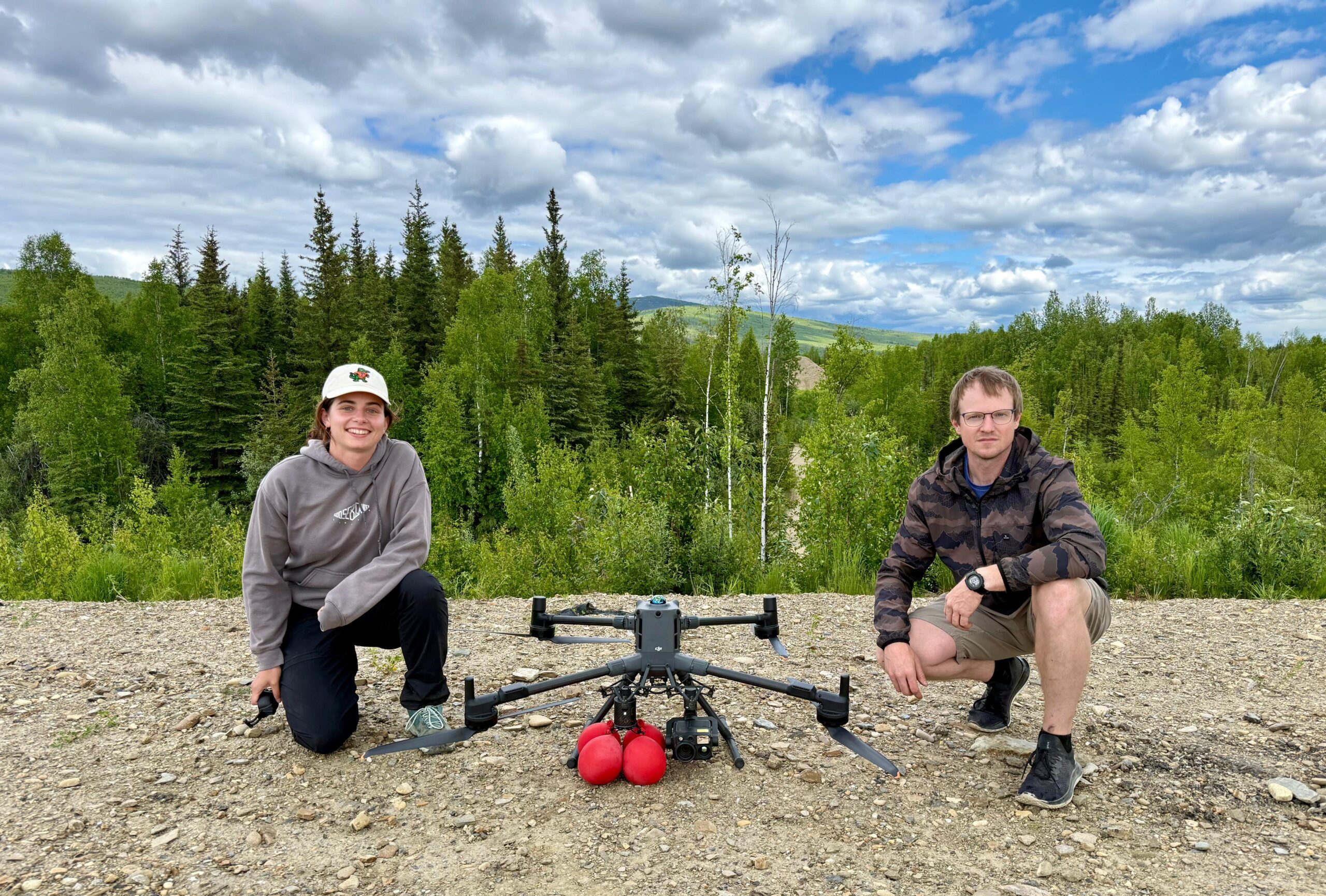
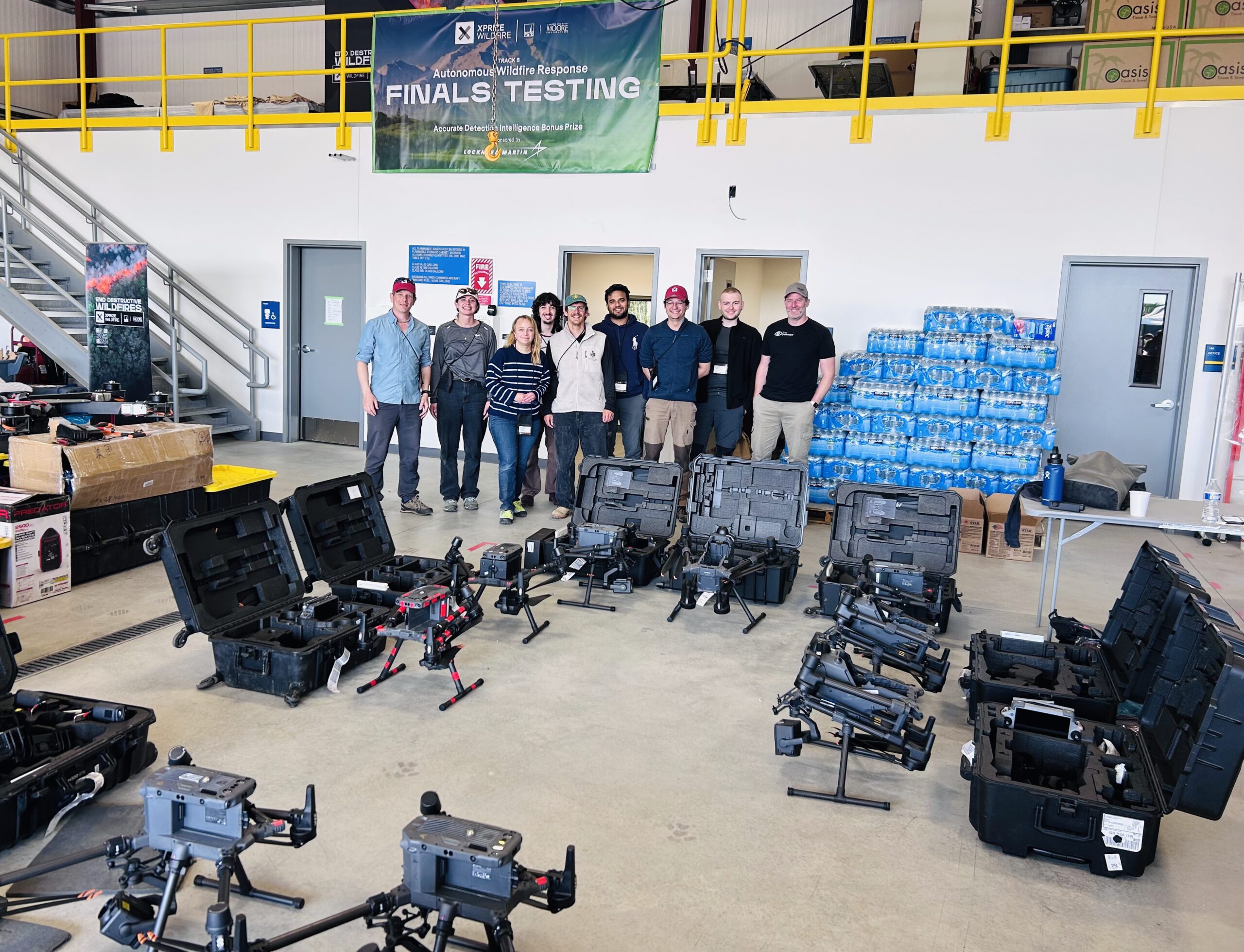
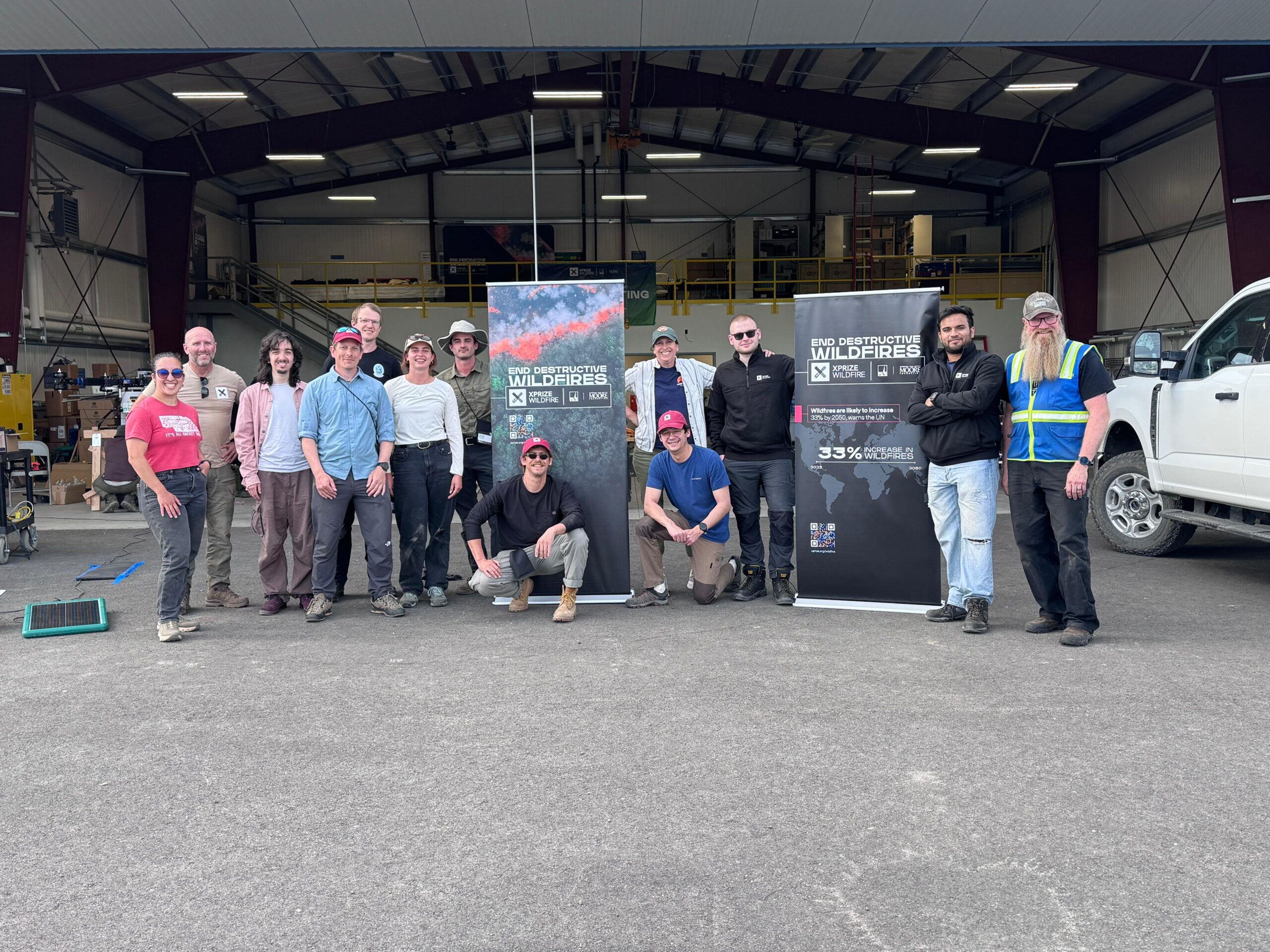
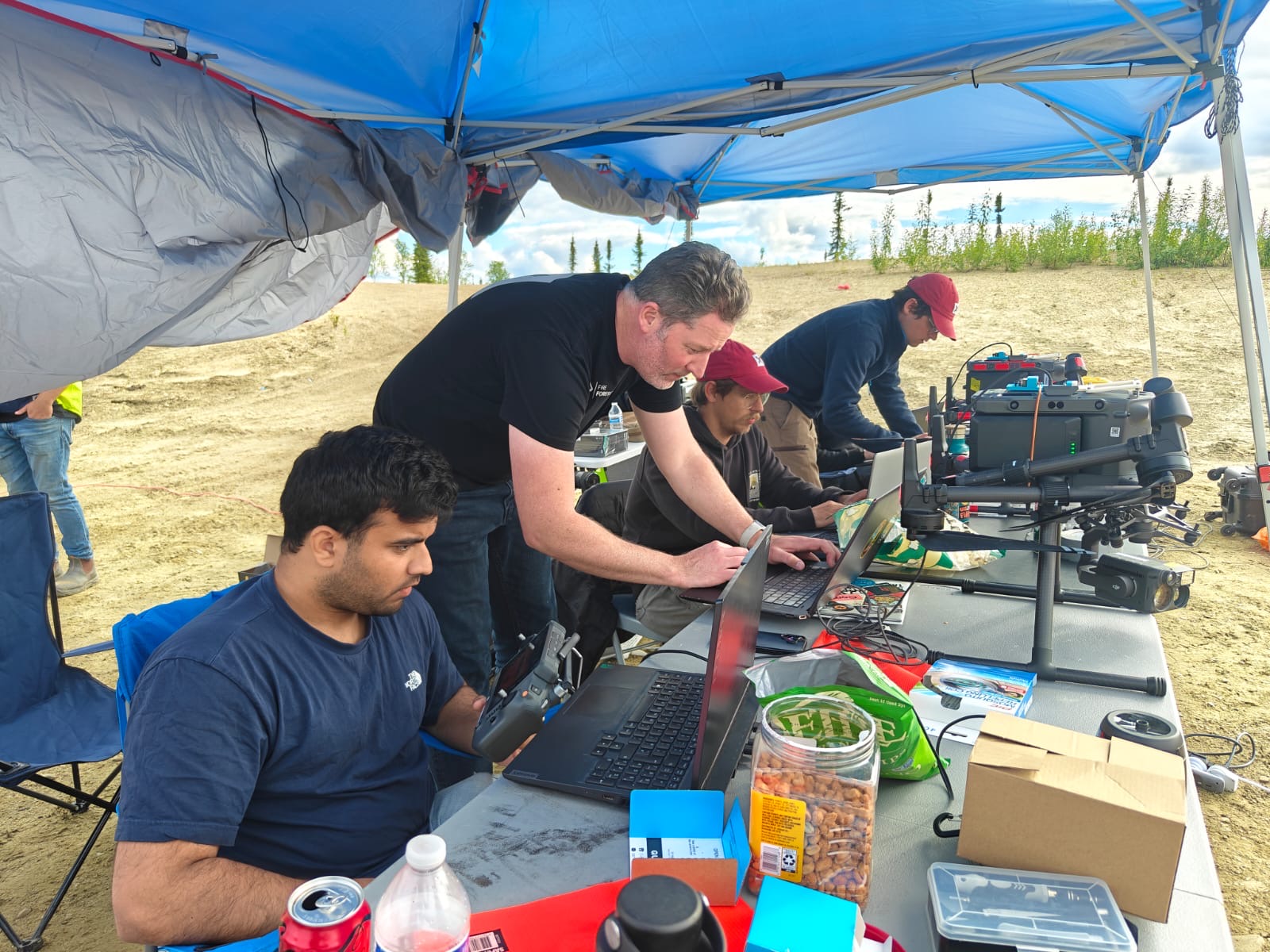
AURA Foresight Reaches Global XPRIZE Wildfire Finals in Alaska

One of only four teams remaining from more than 130 competitors worldwide, our team AURA Foresight is developing autonomous technology to stop wildfires before they grow out of control.

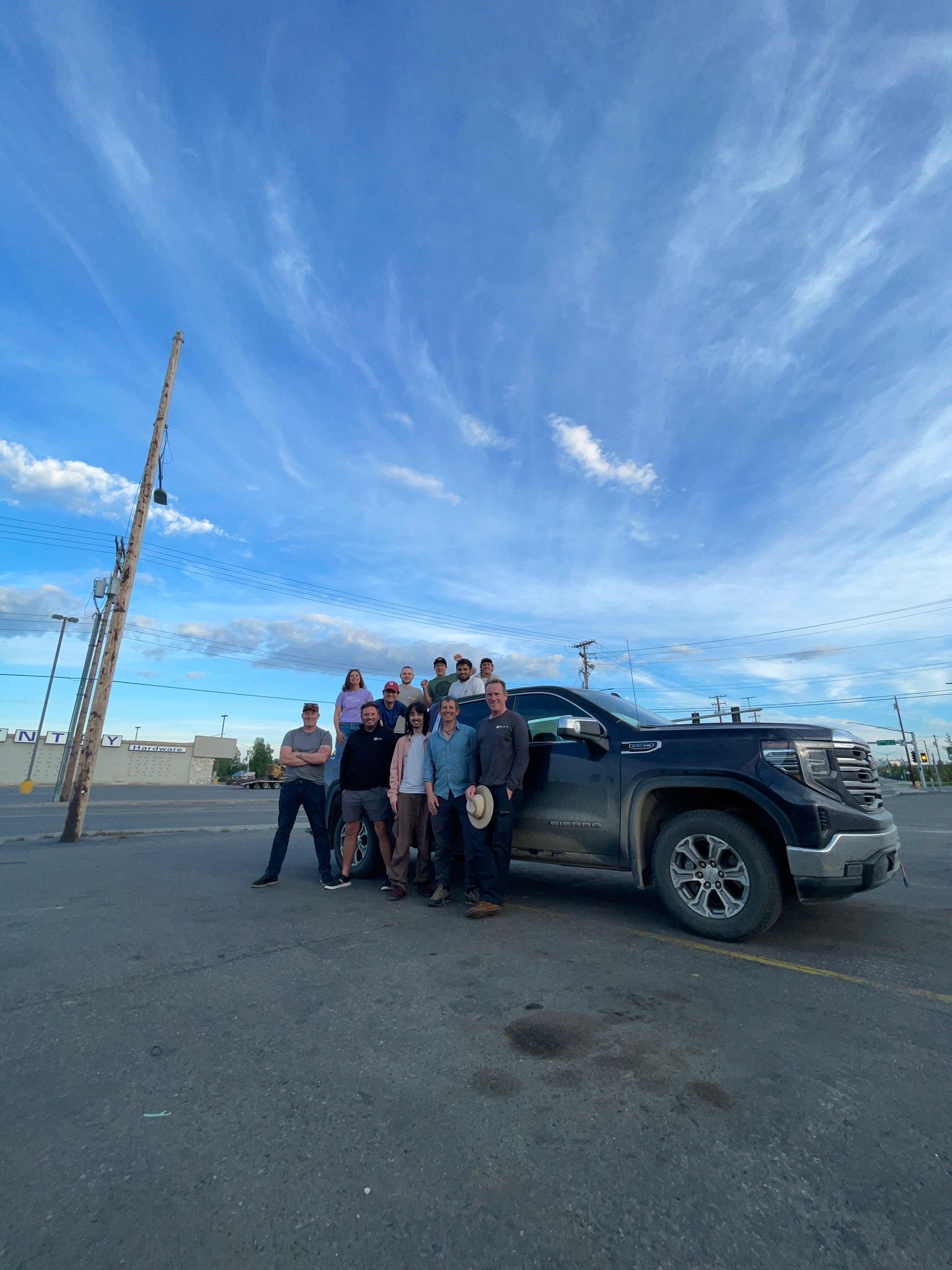
AURA Foresight has been selected as a finalist in the prestigious XPRIZE Wildfire Autonomous Wildfire Response competition, emerging as one of just four teams remaining from more than 130 teams from around the world.

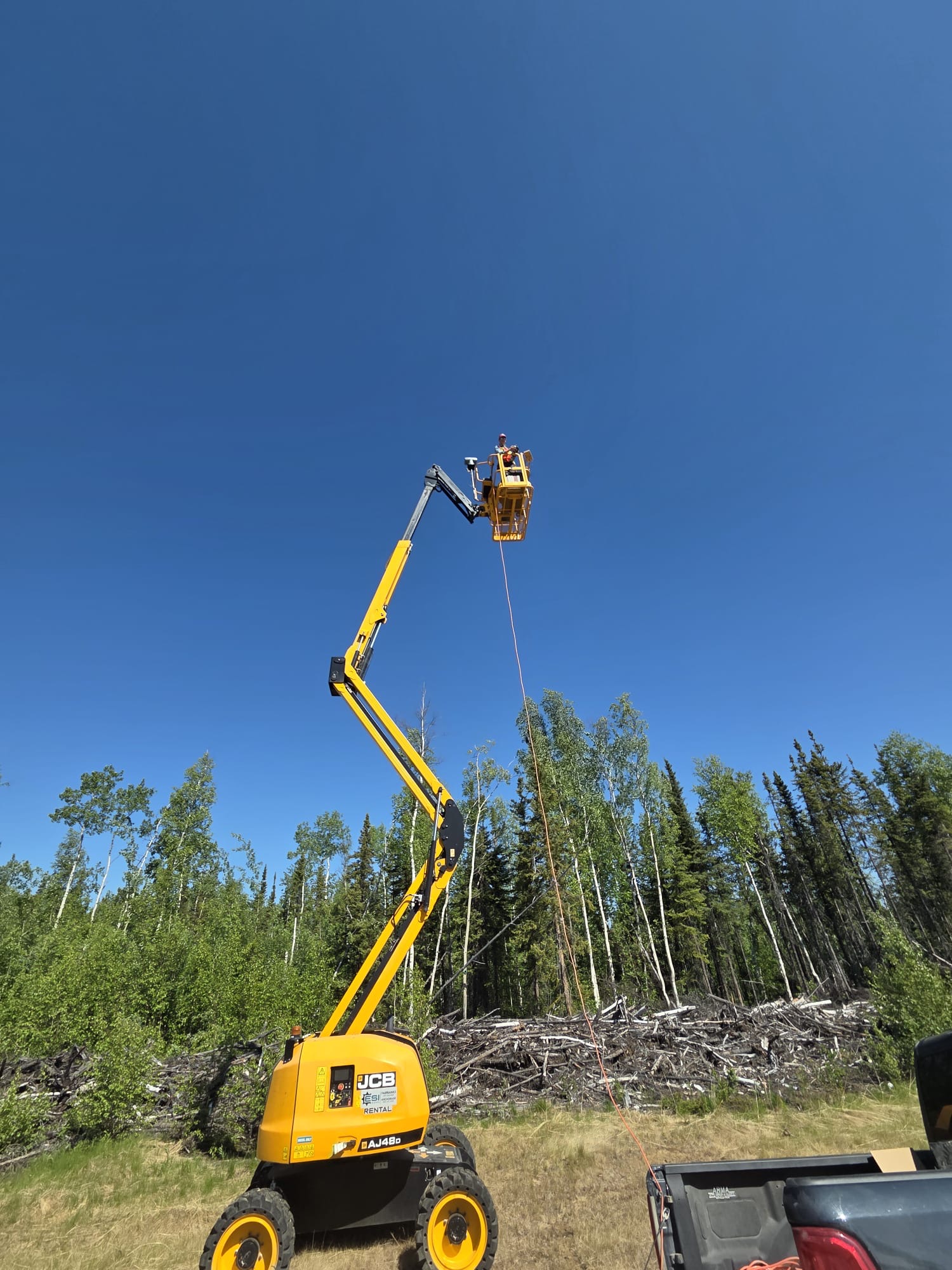
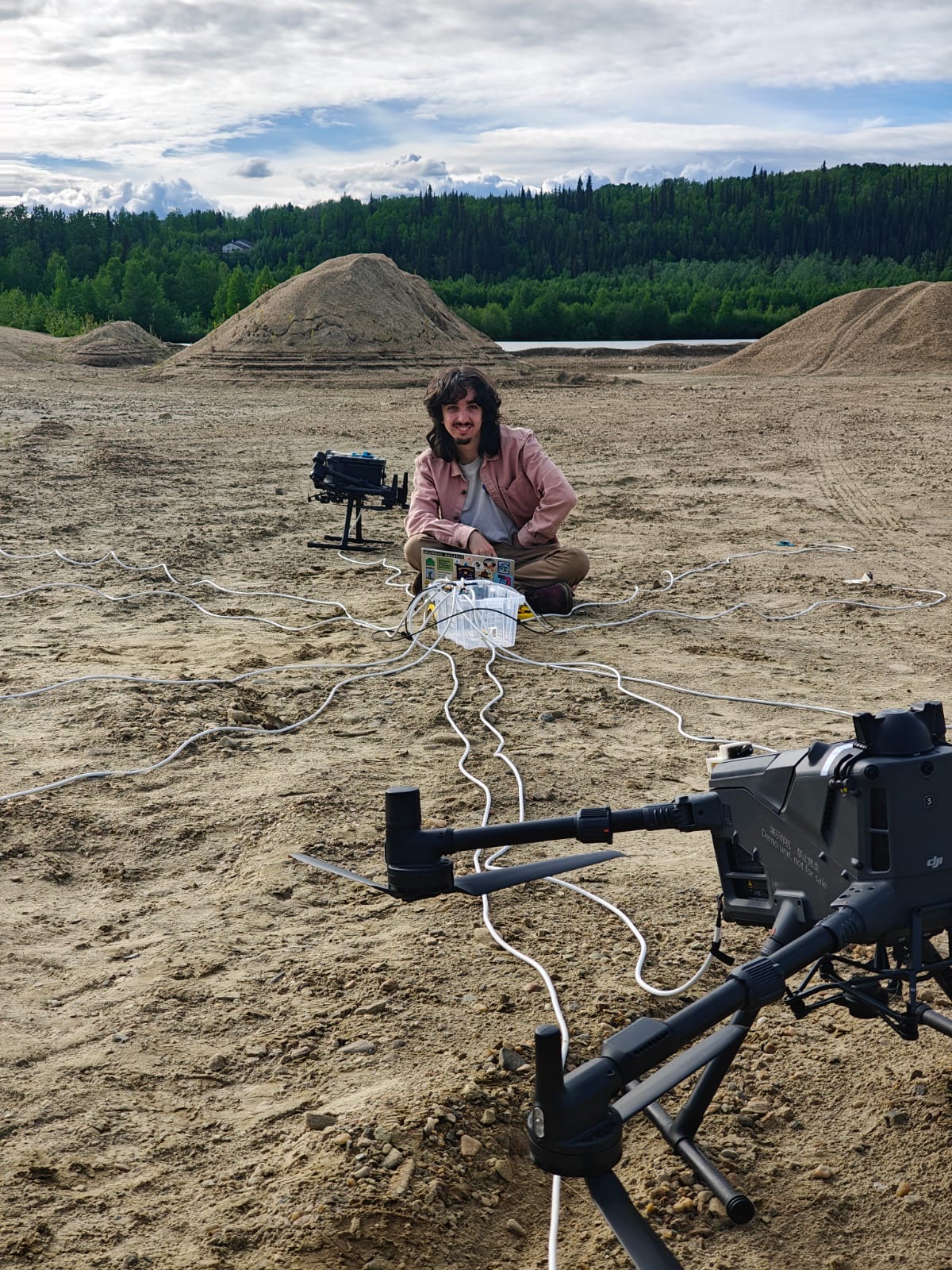
XPRIZE Wildfire is a four-year, US$11 million global competition designed to accelerate breakthrough technologies capable of ending destructive wildfires. The Autonomous Wildfire Response track, worth US$5 million, challenges teams to autonomously detect, verify and respond to wildfire ignitions across a 1,000 km² landscape within just ten minutes. The finals will take place in Nenana, Alaska, where teams will demonstrate their technologies in realistic wildfire response scenarios.

Being selected as a finalist places AURA Foresight among a small group of innovators developing the next generation of tools to help communities, land managers and firefighters respond to wildfires faster and more effectively.

As wildfires become more frequent and severe worldwide, AURA Foresight is developing technology that helps stop fires before they become disasters. The team’s autonomous wildfire intelligence and intervention system is designed to detect ignitions within minutes and coordinate a rapid response while fires are still small and manageable.

Detect Early. Verify Quickly. Intervene Immediately.

AURA Foresight combines fixed sensors, artificial intelligence and swarms of autonomous flying robots into a seamless detect–verify–act capability.

Rather than fighting large wildfires after they have taken hold, the system is designed to identify potential ignitions, verify threats and intervene at the earliest possible stage, when a small spark can still be safely contained before becoming a major incident.

The platform continuously monitors landscapes using optical and thermal sensors, automatically identifies potential ignitions using AI, dispatches flying robots to verify threats, and coordinates rapid intervention before small fires can grow into destructive wildfires.

Unlike many wildfire technologies that rely on specialised infrastructure or proprietary hardware, AURA Foresight has been designed from the outset to be practical, affordable and easy to deploy.

Key advantages include:

  • Out-of-the-box deployment with minimal setup requirements.
  • Adaptability to any environment, from forests and remote wilderness to critical infrastructure corridors.
  • Scalability from a handful to dozens of flying robots, depending on operational needs.
  • Compatibility with different aircraft and robot platforms, avoiding vendor lock-in.
  • Built on commercially available technologies, making advanced wildfire protection accessible and achievable for organisations of all sizes.

The result is a system that can help agencies move from passive monitoring and delayed response to proactive, automated intervention.


Developed With Firefighters, For Firefighters

AURA Foresight’s approach is shaped by close collaboration with firefighters and emergency response professionals. The consortium works directly with Lancashire Fire and Rescue Service in the United Kingdom and with wildfire response experts in Canada and Australia to ensure the technology addresses real operational challenges and integrates effectively into existing emergency response workflows.

This combination of frontline expertise and advanced robotics helps ensure that the technology remains focused on supporting firefighters and enhancing their capabilities in the field.

“It’s amazing what can be achieved when great people come together around a shared purpose,” said Dr Georgios Tzoumas, Team Co-Lead of AURA Foresight and Research Fellow at the University of Bristol.

“Our team has been working on autonomous wildfire detection and intervention technologies for more than six years. Reaching the XPRIZE finals is an exciting milestone because it feels like the solution is finally within reach. By combining AI, swarm robotics and close collaboration with firefighters, we’re showing that it’s possible to tackle wildfires while they’re still small, before they grow out of control. We can’t wait to demonstrate our technology in the field in Alaska.”


A Global Consortium Combining Expertise from the UK and Australia

AURA Foresight is a unique international collaboration bringing together AURA in the United Kingdom and Fire Foresight in Australia.

The consortium includes the University of Bristol, Bristol Robotics Laboratory, the University of Sheffield, Lancashire Fire and Rescue Service, Fire Foresight, SkyFly Drones, Southern Denmark University, Manchester University, Indicium Dynamics, Robotic Cats, Taz Drone Solutions and Little Place Labs.

Fire Foresight CEO Rob Vernon commented, “Our approach with the XPRIZE competition has been to bring all the pieces of the wildfire jigsaw puzzle together, and that capability only truly scales when it’s done with partners from around the world and on the ground. In Australia, we have been building the largest network of bushfire detection capabilities and the partnerships that we’ve formed, and continue to form, through this competition allow us to focus our attention on the autonomous mitigation and suppression capabilities, so desperately need to address the challenges faced by wildfire and climate change”.


Together, these partners combine world-leading expertise in swarm robotics, autonomous systems, artificial intelligence, computer vision, aerial robotics, wildfire operations and field deployment.

By bringing together researchers, engineers, firefighters and technology innovators from across two continents, AURA Foresight is demonstrating how international collaboration can accelerate solutions to one of the world’s most pressing climate challenges.

As destructive wildfires continue to increase in frequency and severity around the world, AURA Foresight’s progression to the XPRIZE Wildfire finals highlights a new approach to wildfire management: tackling fires in their earliest moments, before they can grow out of control and threaten communities, ecosystems and critical infrastructure.


Detect early. Verify quickly. Intervene immediately. Stop wildfires before they become disasters.

Drones learn to squeeze through narrow gaps using onboard AI control

Unmanned aerial vehicles (UAVs), commonly known as drones, are now widely used for various purposes, ranging from filmmaking and aerial photography to industrial inspection, precision farming and reaching obstructed areas during emergency response missions. While many existing drones can move swiftly in their surroundings and circumvent large obstacles, most still struggle in cluttered environments. In addition, they are often unable to execute maneuvers that would allow them to safely pass through small gaps or reach secluded areas.

Three-armed Sashimi-Bot learns to slice and serve fish like a pro

If you ever need help in the kitchen cutting fish into appetizing bites, a new three-armed robot may be able to help. And that's no easy feat for robots. While they are generally good at picking up rigid objects, something slippery that can change shape when touched, such as a fish, poses a range of challenges. Then, if you add slicing into the mix, it becomes even more difficult because the robot has to cope with the fish changing shape as it is handled and cut.

Robot Talk Episode 161 – Collaborative haptic systems, with Allison Okamura

Claire chatted to Allison Okamura from Stanford University about developing advanced robotic systems for haptic (touch) interaction.

Allison Okamura is the Richard W. Weiland Professor of Engineering at Stanford University. Her academic interests include haptics, teleoperation, virtual reality, medical robotics, soft robotics, rehabilitation, and education. Allison is Director of Graduate Studies for Mechanical Engineering at Stanford University, a deputy director of the Wu Tsai Stanford Neurosciences Institute, a Science Fellow of the Hoover Institution and a founding faculty member and executive committee member of the Stanford Robotics Center.

SpaceX wants to build AI data centers in space. Will it work?

The race to build data centers in space is gaining momentum as AI drives unprecedented demand for computing power. Orbital facilities could tap into abundant solar energy and avoid many of the environmental challenges faced on Earth. Yet space remains a harsh and expensive place to operate, with major hurdles including cooling, maintenance, radiation exposure, and orbital debris.

Humanoid robots: How human-like machines could change our daily lives

Humanoid robots are no longer science fiction: They can take on tasks that challenge humans and have the potential to play an important role in industry, services or private households in the future. At Friedrich-Alexander-Universität Erlangen-Nürnberg (FAU), researchers are working on hardware and software for human-like robots. Dr. Sebastian Reitelshöfer from the FAU Chair of Manufacturing Automation and Production Systems explains in an interview how humanoid robots could support us in the future and why this future technology on two legs could be an opportunity for northern Bavarian industry.

How AI is Revolutionizing Supply Chain and Logistics?

How AI is Revolutionizing Supply Chain and Logistics?

Artificial Intelligence is becoming highly explosive in terms of global AI in logistics and supply chain. Many logistics officials feel that these areas are likely to experience a great transformation.

It has the potential to disrupt the continuous development of advanced and digital technologies such as machine learning, artificial intelligence, natural language processing (NLP), etc. and promote advancements in these sectors.

Computers can deal with massive data at a time, it is difficult to take it physically in a single decision making procedure. Applying AI algorithms and utilizing various data sets, a machine will analyze unlimited prospects which lead to compelling planning.

Artificial Intelligence reduces the human errors and helps in doing tedious tasks. So, with the assistance of AI, operational effectiveness can be boosted and expenses can be limited.

The growth of AI has fundamentally changed many sectors of the logistics and supply chain industry. Whether it is logistics management, consumer support, or inventory management, the contribution of the new era, Artificial Intelligence-based solutions are undeniable.

According to the reports of McKinsey, AI technology in supply chain management is expected to reach 3.3 trillion dollars in the coming next 20 years.

Let’s discuss

[contact-form-7]

Click on the link to learn the Definition of Artificial Intelligence? And what are the Examples of AI?

In this blog, we will be discussing how Artificial Intelligence is impacting the supply chain and logistics industry.
So, without late, let’s look into the

Top 7 Ways AI in logistics and supply chain Management

  • Inventory Management

I think businesses cannot work properly without a well-maintained inventory. Both understocking and overstocking are really harmful. With a proper inventory management system, a company can focus on selling their products instead of managing its inventory.

A key requirement of AI technology in inventory management is the ability to assess demand, rather than the ability to ensure stock management. Algorithms can now study consumer demands across vast data and understand which materials will be in demand soon and which fail to generate enough sensation.

This is called ‘demand estimation’ and is widely used in and businesses across the globe. So instead of depending on real time demand, a company can be ready in advance and stock up accordingly. It is undoubtedly the best revolutionary aspect of Artificial Intelligence in logistics.

  • Warehouse Management

As facial recognition is becoming popular in AI, machine can handle security. It can be easily secured by tracking the customers who enter and exit the unmanned warehouse. In addition, machines can track the items kept on the product shelves and the customers leaving the warehouse after reading product barcode and then updating the inventory accordingly.

  • Shipping Process Optimization

The effect of Artificial Intelligence does not diminish when the product is left out of the list. It is also used to estimate the best possible shipping route. Intelligent Machines utilize graph theory to evaluate the fastest and most cost-effective shipping routes for business.

AI software can also handle peak hours and traffic conditions. These are the significant factors that badly affect the shipping time of a company. By ignoring peak hours and scheduling delivery during light traffic, their delivery boys can spend less waiting time on roads and deliver the products to customers as soon as possible. Thus, the impact, and in turn, the benefits are increased.

  • Supplier Relationship Management

I would certainly say that supplier is one of the significant aspects of any logistics businesses. Finding the perfect supplier and creating a list of each item is tailored to those suppliers. According to the demand, when refilling recalibrating product, the engagement with one’s suppliers is a major factor that describes how smoothly the transaction runs.

Artificial Intelligence can manage various supplier parameters including delivery speed, cost, and credit score and prepare a list of best suitable options for any circumstances. It indirectly says that business process runs effectively and the supplier relationship with them is friendly and loyal.

Also Read about AI in Supply Chain: Uses Cases of AI in Supply Chain Management

  • Transportation Management

It is common for many enterprises to contract with shipping firms to deliver their products. Some of the largest companies, like Alibaba, Amazon, and Flipkart have their own shipping department. As discussed earlier, Artificial Intelligence makes the whole experience very smooth when it comes to efficiency and time management for goods shipping.

Whenever drivers are in delivery vehicles, they have only limited time to reach the destination. Hiring multiple drivers for the same vehicle to cater the requirement for a 24*7*365 delivery system can be costly. In logistics, AI going to prove as a lifesaver soon by automating the entire driving function. You know? Amazon has shown confidence recently in automated delivery trucks.

  • Foreign Language Decoder

Every country in the world has its own national language. As business is happening from around the globe, you should cater to a global audience. But, miss communication due to different languages is a major problem. Along with the miss-conversation between customers and business, understanding other countries market trends and goods can be a big problem.

Don’t worry! This barrier will not exist longer with AI technology. In addition, AI-powered chatbots and customer support systems are also very good at managing foreign consumers without the hassle of hiring many offshore support executives. All over, Artificial Intelligence makes the employment easier.

  • Reduced Customer Response Time

Ultimately, businesses are leveraging AI solutions to provide excellent customers support. Using AI Chatbots, businesses can reduce consumer response time and also decreased the need for customer service executives.

In addition to being polite and practical, chatbots are also beneficial when dealing with foreign customers who do not speak the languages ​​supported by the business locally. AI technology ensures very efficient and fast customer service.


Final Verdict

AI technology will continue the fantastic journey of digitization development and will definitely become a significant part of everyday business. In industries such as supply chain and logistics, Obtaining Artificial Intelligence from expertise in fields such as supply chain and logistics is a useful tool to find out critical issues. AI plays a vital role in paving the way for proactive, predictive and personalized opportunities for supply chain and logistics.

Choosing Right AI Solution for Your Business is the First Step towards Success

USM Business Systems is one of the leading AI Solutions providers in India, the USA and the UK.

With more than a decade of expertise in AI application development, we deliver intelligent solutions that help businesses optimize operations, accelerate growth, and gain a competitive edge.

Contact us to know more about How AI is Revolutionizing Supply Chain and Logistics? Book Executive AI Briefing →

Let’s discuss

[contact-form-7]
Page 3 of 9
1 2 3 4 5 9